Unicycle Gear Guide for Beginners and Professional Riders
Unicycling is a unique sport that blends balance, control, and coordination. The right tektekerbisiklet.com gear plays a big role in making the learning process smoother and safer. Whether you are a beginner or an experienced rider, proper equipment helps improve stability and confidence. A good setup also reduces the risk of injury and enhances overall riding performance. Understanding essential gear is the first step toward a better unicycling experience.
Essential Gear for Beginner Riders
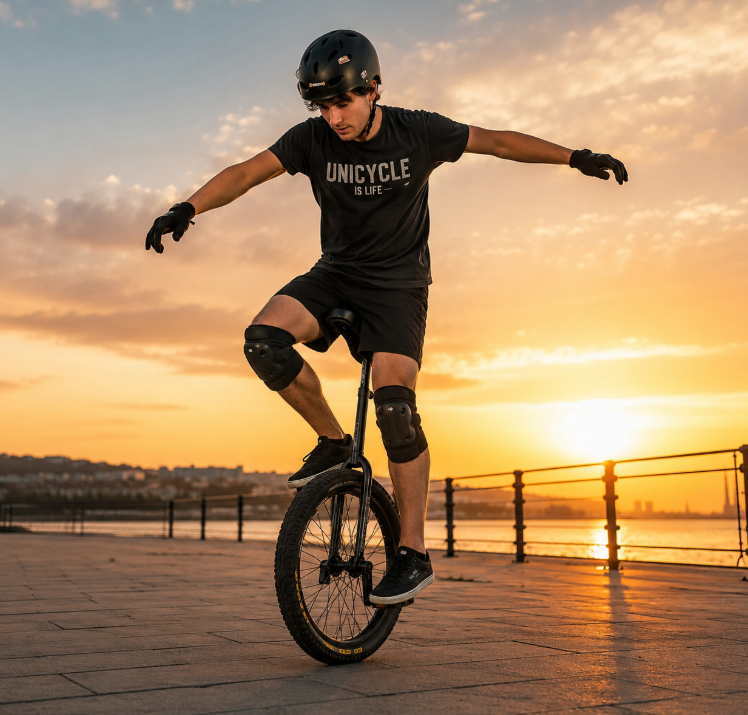
Beginners need simple and reliable equipment to start safely. A well-fitted unicycle is the most important item. It should match your height and leg length for better control. Protective gear such as helmets is essential for safety during falls. Knee and elbow pads help prevent injuries while learning balance. Wrist guards are also useful since beginners often use their hands to break falls. Comfortable shoes with good grip improve pedal control and stability. Professional riders often use specialized unicycles designed for performance. These may include stronger frames, lightweight materials, and improved wheel designs. Trials unicycles are built for jumping and technical tricks. Mountain unicycles are designed for rough terrain and off-road riding. Seat designs are more ergonomic for long-distance riding. Advanced pedals and cranks provide better control during complex movements. Professional gear focuses on durability, precision, and performance.
Safety Equipment for All Riders
Safety gear is important regardless of experience level. Helmets protect against head injuries during falls. Knee and elbow pads reduce impact damage. Gloves can improve grip and protect hands. Some riders also use shin guards for extra protection. Reflective gear is useful when riding in low-light conditions. Proper safety equipment builds confidence and allows riders to practice more freely. A helmet is the most important safety item for any unicyclist. It should fit snugly without being too tight. Ventilation helps keep the rider comfortable during practice. Impact-resistant materials provide better protection during falls. Pads should also be comfortable and flexible for movement. High-quality protection gear improves safety without restricting mobility. Comfort and protection should always be balanced.
Clothing and Footwear for Better Control
Proper clothing improves riding comfort and movement. Flexible clothes allow better leg motion during pedaling. Tight or restrictive clothing can affect balance. Footwear should have a flat, grippy sole for better pedal contact. Avoid loose shoes that may slip off the pedals. Lightweight clothing helps reduce fatigue during long practice sessions. Comfort plays an important role in maintaining focus while riding. Keeping a unicycle in good condition is essential for safe riding. Basic tools like Allen keys help adjust parts when needed. Lubricants keep moving components smooth and efficient. Spare pedals and tubes are useful for repairs. A portable pump is helpful for maintaining tire pressure. Regular maintenance ensures better performance and longer equipment life. Well-maintained gear also improves riding safety.
Gear for Different Riding Styles
Different riding styles require different types of gear. Freestyle riders often prefer lightweight unicycles for tricks and routines. Trail riders need durable tires and strong frames for rough terrain. Long-distance riders benefit from comfortable seats and efficient pedal systems. Each style has specific gear needs for better performance. Choosing the right setup helps improve control and enjoyment. Having the right gear helps riders feel more confident. Beginners can focus on learning without worrying about safety. Professionals can push their limits with reliable equipment. Proper gear reduces fear of falling and encourages practice. Confidence grows when riders trust their equipment. This leads to faster improvement and better riding skills.